



How To Use Extra Quality: Tiptobase69
. While "tiptobase69" does not appear as a standard technical term in current literature, the practice of using high-quality paper generally involves several key considerations for better results. Best Practices for High-Quality Paper Grain & Texture Matching
Import your source binary file or text string into the interface. Step 2: Access the Configuration Panel
If you are looking to push your projects beyond standard definitions, the Extra Quality (EQ) tiptobase69 how to use extra quality
Before applying high-quality filters, ensure your workspace is prepared. Update your software to the latest version to prevent syntax conflicts. Open your terminal or development console.
: Higher quality paper usually has a higher GSM (grams per square meter). Thicker paper (300 GSM+) prevents "buckling" or warping when using wet media like paint. Acid-Free (Archival) Quality Step 2: Access the Configuration Panel If you
If you notice your video still needs a tiny bit of pop after the final AI pass, bring it back to your editor one last time for a minimal, subtle sharp pass (Amount: 10, Radius: 1). When you are ready for final delivery, do not export using generic presets. Use the and export using the H.264 or HEVC (H.265) format with a Target Bitrate of at least 30–40 Mbps for 1080p, or 60+ Mbps if you are uploading a 4K file. This ensures that when platforms compress your file, your baseline data is dense enough to stay exceptionally sharp.
Achieving optimal performance and flawless output quality during conversion involves standardizing your environment and utilizing robust coding patterns. Below is an implementation blueprint using Python, designed to maximize data precision and handling speed. 1. Preparing the Environment : Higher quality paper usually has a higher
In TipToBase69, "Extra Quality" refers to a specific set of high-fidelity algorithms designed to reduce noise, improve edge detection, and enhance texture depth. When enabled, the software performs multiple passes over the data to ensure that the final output lacks the "digital artifacts" often seen in standard renders. Step-by-Step: How to Enable and Optimize Extra Quality 1. Initial Configuration
Standard upscaling relies on basic interpolation methods like bilinear or bicubic filtering. These methods split existing pixels and guess the missing data, which usually results in a blurry or pixelated output.
: When exporting, match the "Extra Quality" input by selecting a high-bitrate container (like ProRes or H.265 at 50+ Mbps) to ensure the AI's work isn't lost to compression. When to Avoid It Batch Processing
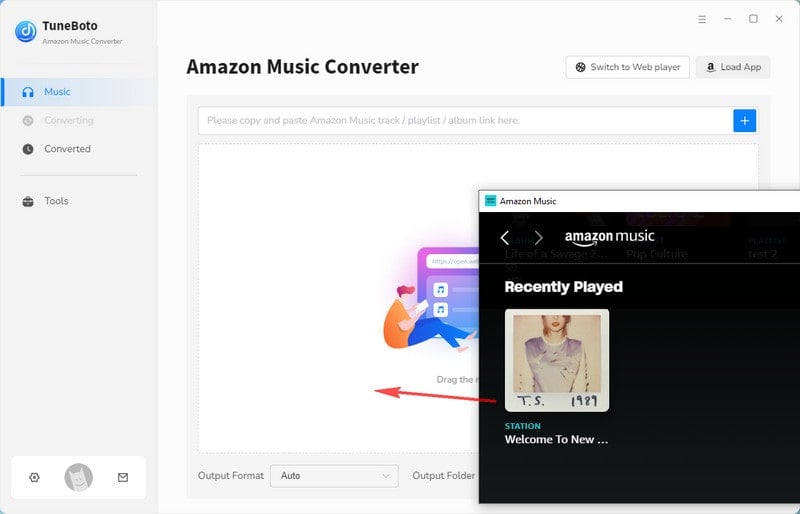
 STEP 1. Choose Audio Source