Скидки от 7 до 12%
БЕСПЛАТНАЯ
ДОСТАВКА
до подъезда по Москве*. Возможнa
ЭКСПРЕСС-ДОСТАВКА
по Москве, или отправка через СДЭК
НА СКЛАДЕ
Обои от 70 фабрик!
РЕЙТИНГ - 5 ЗВЁЗД
Читайте отзывы о нас на Яндексе
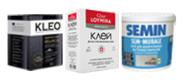
КЛЕЙ ДЛЯ ОБОЕВ
Не забудьте купить
БЕСПЛАТНАЯ
доставка до подъезда по Москве*
ЭКСПРЕСС-ДОСТАВКА
по Москве, или отправка через СДЭК
НА СКЛАДЕ
обои от 70 фабрик!
ОТЗЫВЫ
о нас на Яндекс!
Пожалуй, лучший Салон Обоев Москвы
Более 2000 коллекций обоев, кофе, чай, шоколад, Wi-Fi
Более 2000 коллекций обоев
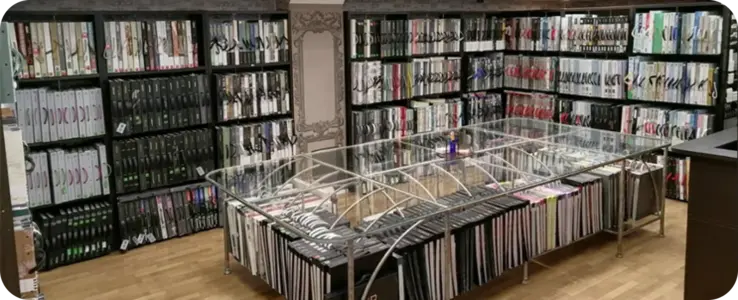
Просторный шоурум
Бесплатная парковка по звонку
Профессиональные консультации и подбор
* в пределах МКАД, при сумме заказа от 20 000 ₽
* в пределах МКАД, при заказе от 20 000 ₽
* Промокод не распространяется на товары фабрик Grandeco, Tiffany, Zambaiti, Italreflexes, Marburg, Rasch, A.S.CREATION, Parato, Coordonne, Etten,Andrea Rossi, A.Grifoni, Alessandro Allori, Bernardo Bartalucci, Bruno Zoff, Roberto Borzagi, лепнину ORAC, а также на товар со сниженной ценой