Send for
Signature
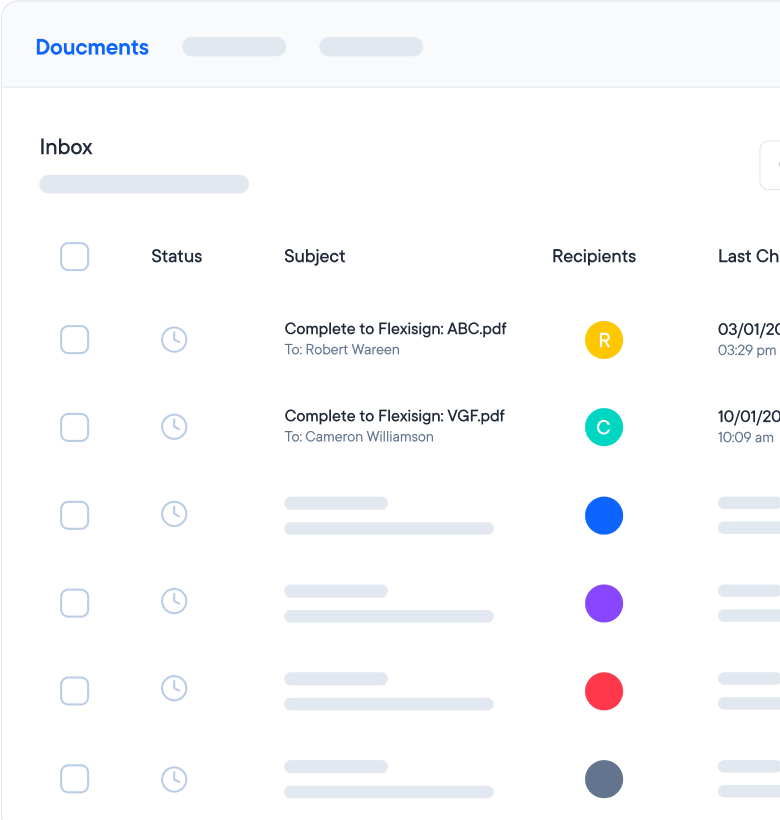
Easily send it out to recipients for their signatures.
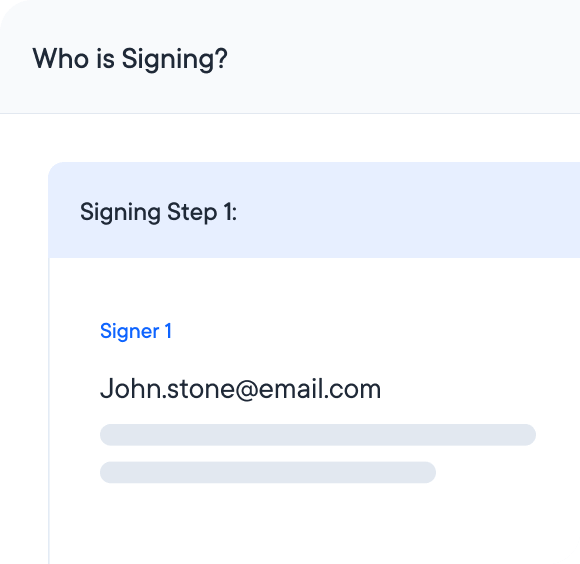
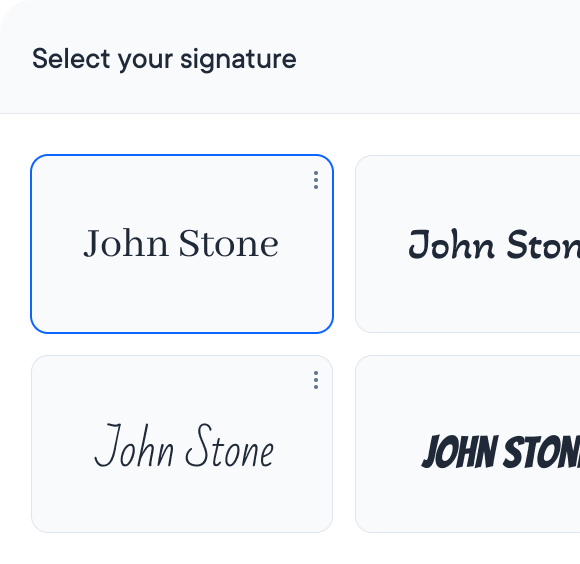
Streamline your document management with FlexiSign, a digital signature platform that's secure, efficient, and easy to use. FlexiSign, the world's first privacy and security-focused e-signature tool, simplifies how you sign, send, and manage documents, making your workflow smoother and more productive.
Easily send it out to recipients for their signatures.
Conversely, many regions are experiencing a wave of restrictive policies. These include bans on gender-affirming care, restrictions on sports participation, and limitations on discussing gender identity in educational institutions.
The past decade has seen significant movement toward genuine inclusion. The Supreme Court's 2020 decision in Bostock v. Clayton County, finding that sex discrimination protections include both sexual orientation and gender identity, represented a major legal victory. Major Pride celebrations increasingly center transgender voices, with events marking Transgender Day of Remembrance and Transgender Day of Visibility drawing widespread participation.
Increased representation through public figures like Laverne Cox and media such as the series Pose has helped nearly 30% of U.S. adults personally know someone who is trans. LGBTQ+ Culture and Collectivism
The intersection of racism and transphobia creates disproportionate dangers. Black and Latine transgender women face alarming rates of fatal violence, housing insecurity, and employment discrimination compared to other segments of the LGBTQ+ community. shemale solo cum shots top
: Analyze the influence of "Ballroom Culture" and drag on mainstream queer expression , noting that many icons were trans women who used performance to navigate social marginalization. IV. Shared Struggles and Unique Disparities
If you're interested in learning about a different subject or need help with something else, please let me know, and I'll provide a report or information accordingly.
The bond between the transgender community and broader LGBTQ+ culture was forged in the crucibles of early liberation movements. For decades, gender non-conformity and non-heterosexual orientations were conflated by both society and the law. This shared marginalization brought diverse individuals together in safe havens, bars, and activist circles. Conversely, many regions are experiencing a wave of
: Research from the National Institutes of Health (NIH) indicates that while transgender people often sacrifice existing social networks during transition, they frequently build "chosen families" that provide essential warmth and acceptance.
This refers to a person’s deeply felt, internal sense of being male, female, a blend of both, or neither (e.g., cisgender, transgender, non-binary). It dictates the internal sense of self.
Political advocacy matters enormously. Contacting elected officials about anti-transgender legislation, supporting pro-transgender candidates, and voting consistently on issues affecting transgender communities create systemic change. Amplifying transgender voices rather than speaking for transgender people respects leadership and expertise within the community. The Supreme Court's 2020 decision in Bostock v
These conversations, while difficult, reflect living communities grappling with changing understandings of gender and sexuality. Many LGBTQ+ organizations have adopted explicit inclusion policies, while some groups advocating for women-born-women spaces have formed separate organizations.
Due to social stigma, family rejection, and systemic minority stress, trans youth and adults experience elevated rates of anxiety, depression, and suicidal ideation, highlighting the critical need for supportive community spaces. Solidarity and the Path Forward
Conversely, many regions are experiencing a wave of restrictive policies. These include bans on gender-affirming care, restrictions on sports participation, and limitations on discussing gender identity in educational institutions.
The past decade has seen significant movement toward genuine inclusion. The Supreme Court's 2020 decision in Bostock v. Clayton County, finding that sex discrimination protections include both sexual orientation and gender identity, represented a major legal victory. Major Pride celebrations increasingly center transgender voices, with events marking Transgender Day of Remembrance and Transgender Day of Visibility drawing widespread participation.
Increased representation through public figures like Laverne Cox and media such as the series Pose has helped nearly 30% of U.S. adults personally know someone who is trans. LGBTQ+ Culture and Collectivism
The intersection of racism and transphobia creates disproportionate dangers. Black and Latine transgender women face alarming rates of fatal violence, housing insecurity, and employment discrimination compared to other segments of the LGBTQ+ community.
: Analyze the influence of "Ballroom Culture" and drag on mainstream queer expression , noting that many icons were trans women who used performance to navigate social marginalization. IV. Shared Struggles and Unique Disparities
If you're interested in learning about a different subject or need help with something else, please let me know, and I'll provide a report or information accordingly.
The bond between the transgender community and broader LGBTQ+ culture was forged in the crucibles of early liberation movements. For decades, gender non-conformity and non-heterosexual orientations were conflated by both society and the law. This shared marginalization brought diverse individuals together in safe havens, bars, and activist circles.
: Research from the National Institutes of Health (NIH) indicates that while transgender people often sacrifice existing social networks during transition, they frequently build "chosen families" that provide essential warmth and acceptance.
This refers to a person’s deeply felt, internal sense of being male, female, a blend of both, or neither (e.g., cisgender, transgender, non-binary). It dictates the internal sense of self.
Political advocacy matters enormously. Contacting elected officials about anti-transgender legislation, supporting pro-transgender candidates, and voting consistently on issues affecting transgender communities create systemic change. Amplifying transgender voices rather than speaking for transgender people respects leadership and expertise within the community.
These conversations, while difficult, reflect living communities grappling with changing understandings of gender and sexuality. Many LGBTQ+ organizations have adopted explicit inclusion policies, while some groups advocating for women-born-women spaces have formed separate organizations.
Due to social stigma, family rejection, and systemic minority stress, trans youth and adults experience elevated rates of anxiety, depression, and suicidal ideation, highlighting the critical need for supportive community spaces. Solidarity and the Path Forward
FlexiSign's e Signatures revolutionize document handling across various applications:

Efficiently sign sales contracts electronically, saving time and effort.

Securely sign NDAs online, ensuring confidentiality and quick access.

Simplify and expedite signing invoices and vendor forms electronically.

Securely handle HIPAA forms with an electronic signature, ensuring compliance.

Maintain and sign internal compliance documents easily with e-signatures.

Streamline onboarding by signing new hire documents electronically.

Easily sign educational documents like IEPs, ARDs, and 504 Plans.

Quickly and securely sign consent forms electronically for better workflow.
Simplify your e Signature process with these easy steps:
Start by uploading the document you need signed.
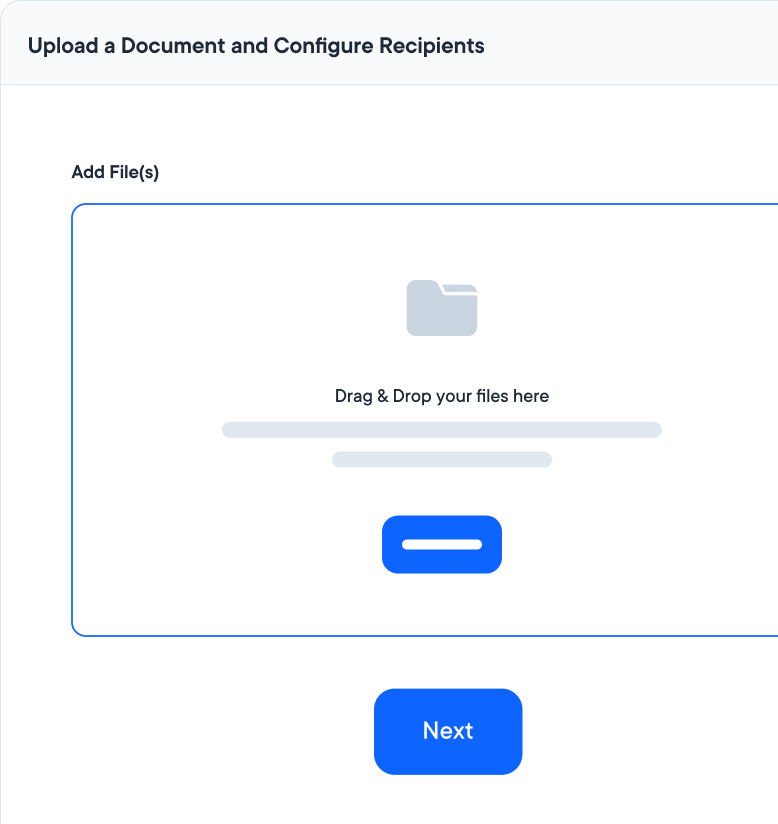
Add your signature or send it to others for signing.
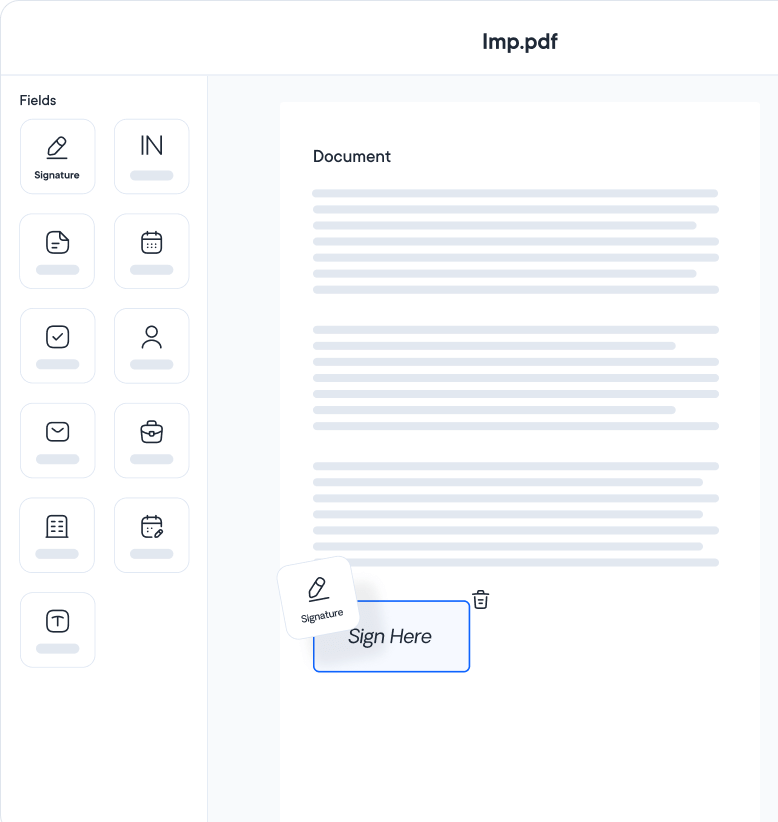
Once all signatures are collected, your document is secure and legally binding.
Start streamlining your workflow today with FlexiSign. Secure, efficient, and compliant, FlexiSign is your solution for all electronic signature needs.
Start free trial