
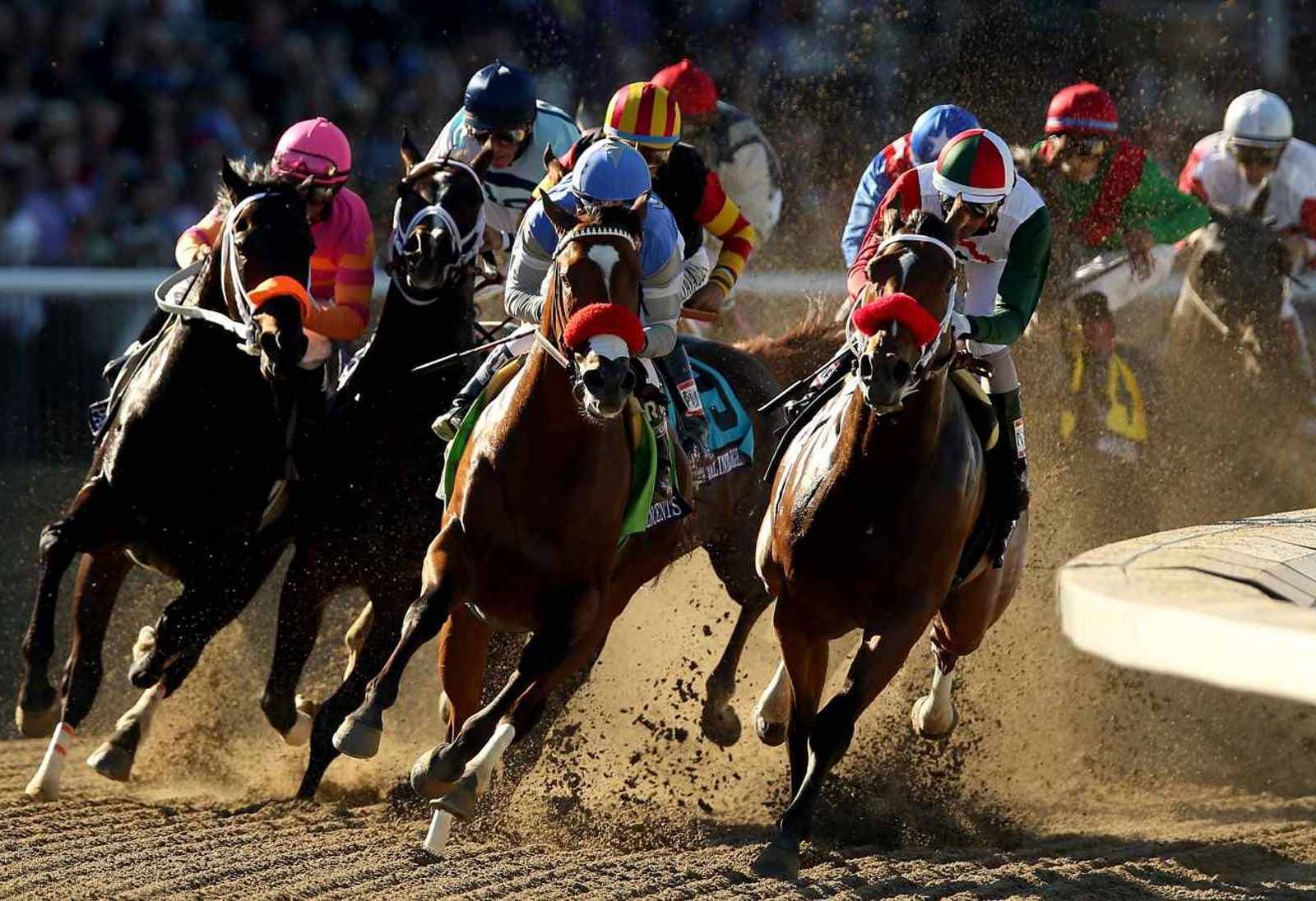
Turfside Dining Room
Shemale Eat Cum Link
As visibility has increased, so too has political backlash. The transgender community currently faces a wave of legislative challenges regarding access to gender-affirming healthcare, participation in sports, and the right to use public facilities that align with their identity. In response, broader LGBTQ+ civil rights organizations have shifted their primary legislative and legal resources toward defending trans rights, recognizing that the attack on bodily autonomy threatens the entire queer community. Summary of Core Contributions Area of Impact Key Contributions to LGBTQ+ Culture
The two most prominent figures who threw the first punches and resisted arrest that night were (a self-identified drag queen, trans woman, and gay liberationist) and Sylvia Rivera (a Latina trans woman and co-founder of STAR—Street Transvestite Action Revolutionaries). Johnson famously said the "P" in her middle name stood for "Pay It No Mind," a defiant rejection of societal judgment.
LGBTQ+ culture is not a monolith; it is a coalition. The transgender community remains its heartbeat, reminding the world that the ultimate goal of the movement is the freedom to define oneself on one’s own terms.
In the 1970s and 1980s, some mainstream gay and lesbian liberation organisations actively distanced themselves from transgender individuals. They feared that fighting for gender-variance would alienate conservative lawmakers and stall progress on marriage equality and employment non-discrimination acts. shemale eat cum link
As visibility has increased, so too has political backlash. The transgender community currently faces a wave of legislative challenges regarding access to gender-affirming healthcare, participation in sports, and the right to use public facilities that align with their identity. In response, broader LGBTQ+ civil rights organizations have shifted their primary legislative and legal resources toward defending trans rights, recognizing that the attack on bodily autonomy threatens the entire queer community. Summary of Core Contributions Area of Impact Key Contributions to LGBTQ+ Culture
Increased visibility and positive representation in media and public life have helped to challenge stereotypes and foster greater understanding and acceptance.
: The term "transgender" (or "trans") includes various experiences outside the cisgender binary, such as trans men, trans women, nonbinary, genderqueer, and gender-fluid individuals. Intersectionality As visibility has increased, so too has political backlash
The transgender community has profoundly shaped global art, language, fashion, and media, often defining trends long before they reach mainstream corporate culture. Ballroom Culture
Access to gender-affirming care—including hormone replacement therapy (HRT), puberty blockers, and surgeries—is a critical component of mental health and well-being for many trans individuals. Navigating healthcare systems remains a major obstacle due to financial barriers, a lack of trained medical providers, and restrictive legislation. Systemic Marginalization
The alliance within the acronym provides immense political power and community support. However, friction has occasionally emerged. Historically, mainstream gay and lesbian organizations sometimes marginalized transgender issues to appear more palatable to conservative lawmakers. Today, modern activism heavily emphasizes intersectionality, recognizing that true liberation cannot be achieved if any part of the community is left behind. Current Challenges and the Path Forward Summary of Core Contributions Area of Impact Key
The transgender community, a vital part of the broader LGBTQ (Lesbian, Gay, Bisexual, Transgender, Queer or Questioning) culture, represents individuals whose gender identity differs from the sex they were assigned at birth. This community, like the LGBTQ culture as a whole, is characterized by its incredible diversity, resilience, and a profound commitment to self-expression and authenticity.
Rivera famously shouted, "I’m not missing a moment of this—it’s the revolution!" These two figures did not just participate in the riots; they codified the ethos of resistance that defines LGBTQ culture to this day. Yet, as the movement became more palatable to mainstream America in the 1970s and 80s, trans people were increasingly pushed aside. Gay men and lesbians seeking "respectability" often distanced themselves from trans women, who were seen as too radical, too visible, or too "weird."