Indian Hindi College Teacher And Student Mms Hidden _best_ Here

Ultimately, the viral nature of these keywords highlights a massive, highly engaged audience seeking localized, high-stakes drama that pushes the boundaries of traditional Indian broadcasting.

TikTok (previously), Instagram Reels, and YouTube Shorts have fueled a demand for quick, engaging videos, often blending educational settings with entertainment.

Many Hindi-medium professors have built massive online followings by filming their lectures. They blend rigorous academic curriculums with humor, mimicry, and storytelling to keep digital audiences engaged. indian hindi college teacher and student mms hidden

Creating, distributing, or promoting such content is harmful and unethical, and I cannot generate material that normalizes, describes, or sensationalizes it. If you are interested in topics related to education in India, student-teacher dynamics, or digital safety and privacy, I would be glad to help with a constructive article on those subjects instead.

Indian Hindi College Teacher and Student MMS Hidden: A Deep Dive into Digital Privacy and Social Consequences Ultimately, the viral nature of these keywords highlights

The rise of social media has also given Hindi college students a platform to showcase their creativity. Many are active on YouTube, creating content around Hindi language and culture, such as vlogs, tutorials, and challenges. Others are part of popular social media groups, sharing and discussing their love for Hindi movies, music, and TV shows.

Conversely, the student’s hidden lifestyle has shifted dramatically with the advent of the digital age. For the Indian student, college is no longer just an academic pursuit; it is a battleground for identity formation. The hidden life of the student is often found in the digital realm—a world of Instagram reels, YouTube tutorials, and private WhatsApp groups. It is here, away from the watchful eyes of parents and professors, that they curate their true selves. This lifestyle is marked by the anxiety of competitive exams, the pressure of unemployment, and a hidden desire for creative expression that the traditional Hindi educational system often fails to accommodate. The "canteen culture" serves as the epicenter of this hidden life, where the "student" transforms into the "friend," discussing everything from failed romances to political ideologies, far removed from the syllabus. Indian Hindi College Teacher and Student MMS Hidden:

Victims should avoid paying blackmailers, document all evidence (URLs, timestamps), and immediately utilize resources like StopNCII.org. Official complaints should be filed through the National Cyber Crime Reporting Portal. Social and Psychological Impact

Many teachers and students use social media platforms to stay connected with friends, family, and peers. They also use streaming services like Netflix, Amazon Prime, or Hotstar to access a wide range of movies, TV shows, and original content.

Several factors contribute to the rise of MMS scandals in Indian colleges. Some of the key reasons include:

Teachers use digital tools to create engaging lesson plans, communicate with students, and access a vast array of educational resources. They also use social media platforms to stay updated on current events, connect with colleagues, and share their research.
Commentary volume

Commentary volume

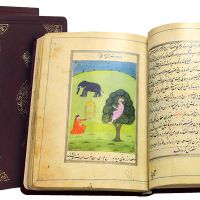
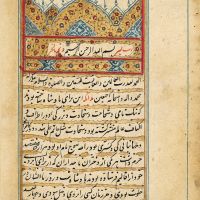
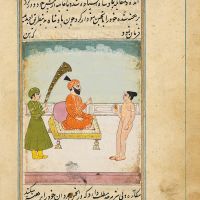
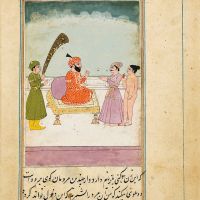
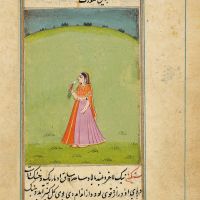
Lazzat al-nisâ (The pleasure of women)

Bibliothèque nationale de France


CONTENTS
 
  • From the Editor to the Reader
 
  • Lazzat al-nisâ and Its Significance in the Erotic Literature of the Persianate World.
Hormoz Ebrahimnejad (University of Southampton)
 
  • Lazzat al-nisâ. Translation.
Willem Floor (Independent Scholar), Hasan Javadi (University of California, Berkeley) and Hormoz Ebrahimnejad (University of Southampton)


ISBN : 978-84-16509-20-1

Commentary volume available in English, French or Spanish.

Lazzat al-nisâ (The pleasure of women) Bibliothèque nationale de France


Descripcion

Description

Lazzat al-nisâ (The pleasure of women)

Bibliothèque nationale de France


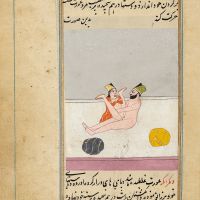
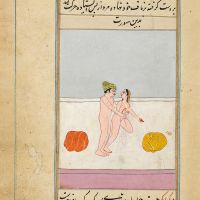
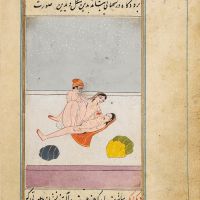
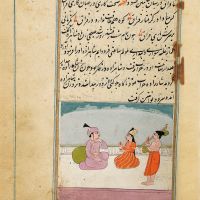
In Muslim India numerous treatises were written on sexology. Many of them included prescriptions concerning problems dealing with virility or, more precisely, with masculine sexual arousal. The Sanskrit text which is considered the primary source for all Persian translations is known as the Koka Shastra (or Ratirahasya) —derived from its author’s name, Pandit Kokkoka—, a title that was later given to all treatises in the genre. The Koka Shastra by Kokkoka was probably not the only such text known to Muslim authors.

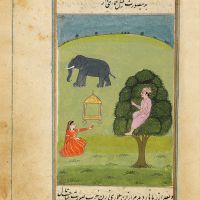
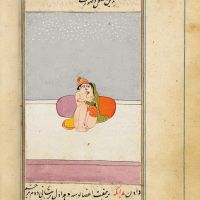
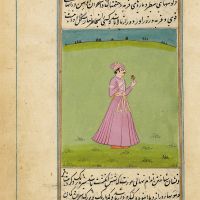
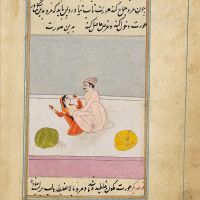
The Lazzat al-nisâ is a Persian translation of the Koka Shastra, which contains descriptions of the four different types of women and indicates the days and hours of the day in which each type is more prone to love. The author quotes all the different works he has consulted, which have not survived to this day.


Ultimately, the viral nature of these keywords highlights a massive, highly engaged audience seeking localized, high-stakes drama that pushes the boundaries of traditional Indian broadcasting.

TikTok (previously), Instagram Reels, and YouTube Shorts have fueled a demand for quick, engaging videos, often blending educational settings with entertainment.

Many Hindi-medium professors have built massive online followings by filming their lectures. They blend rigorous academic curriculums with humor, mimicry, and storytelling to keep digital audiences engaged.

Creating, distributing, or promoting such content is harmful and unethical, and I cannot generate material that normalizes, describes, or sensationalizes it. If you are interested in topics related to education in India, student-teacher dynamics, or digital safety and privacy, I would be glad to help with a constructive article on those subjects instead.

Indian Hindi College Teacher and Student MMS Hidden: A Deep Dive into Digital Privacy and Social Consequences

The rise of social media has also given Hindi college students a platform to showcase their creativity. Many are active on YouTube, creating content around Hindi language and culture, such as vlogs, tutorials, and challenges. Others are part of popular social media groups, sharing and discussing their love for Hindi movies, music, and TV shows.

Conversely, the student’s hidden lifestyle has shifted dramatically with the advent of the digital age. For the Indian student, college is no longer just an academic pursuit; it is a battleground for identity formation. The hidden life of the student is often found in the digital realm—a world of Instagram reels, YouTube tutorials, and private WhatsApp groups. It is here, away from the watchful eyes of parents and professors, that they curate their true selves. This lifestyle is marked by the anxiety of competitive exams, the pressure of unemployment, and a hidden desire for creative expression that the traditional Hindi educational system often fails to accommodate. The "canteen culture" serves as the epicenter of this hidden life, where the "student" transforms into the "friend," discussing everything from failed romances to political ideologies, far removed from the syllabus.

Victims should avoid paying blackmailers, document all evidence (URLs, timestamps), and immediately utilize resources like StopNCII.org. Official complaints should be filed through the National Cyber Crime Reporting Portal. Social and Psychological Impact

Many teachers and students use social media platforms to stay connected with friends, family, and peers. They also use streaming services like Netflix, Amazon Prime, or Hotstar to access a wide range of movies, TV shows, and original content.

Several factors contribute to the rise of MMS scandals in Indian colleges. Some of the key reasons include:

Teachers use digital tools to create engaging lesson plans, communicate with students, and access a vast array of educational resources. They also use social media platforms to stay updated on current events, connect with colleagues, and share their research.
Cookie preferences

We use our own and third-party cookies to improve our services by analyzing your browsing habits. For more information, you can read our cookie policy. You can accept all cookies, configure them, or reject their use by clicking one of the buttons below.