![№285 - Hetzer [World Of Paper Tanks 21] из бумаги](https://mir-modeley.com/_nw/2/28455102.jpg)
![№382 - БТР-50 ПУ (ПК) [Модель-копия 5025] из бумаги](https://mir-modeley.com/_nw/3/18938297.jpg)
![№363 - T-34 [Модель-копия 5051] из бумаги](https://mir-modeley.com/_nw/3/23315745.jpg)
![№684 - Кв-2 [Барс 10] из бумаги](https://mir-modeley.com/_nw/6/96042033.jpg)
![№521 - Aldgate [Micromodels] из бумаги](https://mir-modeley.com/_nw/5/07868868.jpg)
![№195 - M1A2 Abrams [Angraf Model 2014-01] из бумаги](https://mir-modeley.com/_nw/1/77560232.jpg)
![№326 - Ferdinand [Левша 1997-09] из бумаги](https://mir-modeley.com/_nw/3/74468834.jpg)
![№11921 - Tatra 815 GTC kolem sveta [Albatros] из бумаги](https://mir-modeley.com/_nw/116/07631732.jpg)
![№3 - PAK FA T-50-1 [Orlik 093] из бумаги](https://mir-modeley.com/_nw/0/60053771.jpg)
![№61 - TTX Stug III + Мессершмитт-Р1110 [Левша 2003-03] из бумаги](https://mir-modeley.com/_nw/0/71247978.jpg)
![№547 - Beechcraft Bonanza [Geli 001] из бумаги](https://mir-modeley.com/_nw/5/11230098.jpg)
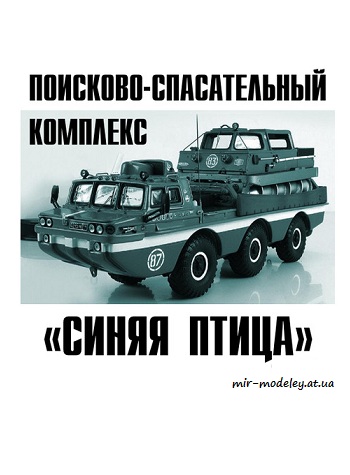
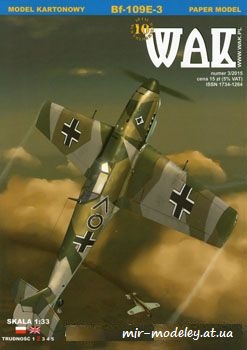
![№440 - Rosyjska Tankietka T-27 [Modelik 2002-09] из бумаги](https://mir-modeley.com/_nw/4/55075589.jpg)
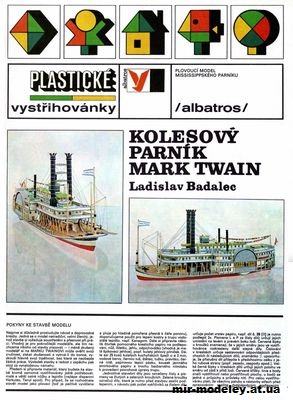
![№269 - Sikorsky HH-60J Jayhawk, USCG [ABC 2005-06-07] из бумаги](https://mir-modeley.com/_nw/2/56519001.jpg)
![№457 - T-27 tankietka [Modelik 1997-04] из бумаги](https://mir-modeley.com/_nw/4/73153440.jpg)
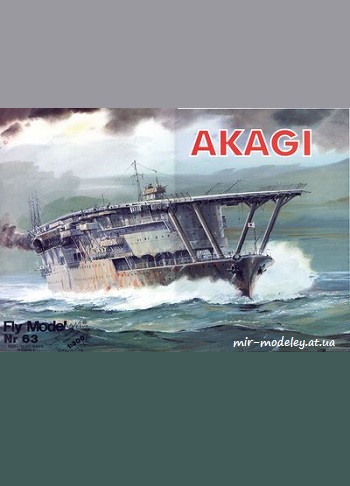
![№6378 - Iron Man Mark 17 - Heartbreaker [Paper-Replika] из бумаги](https://mir-modeley.com/_nw/63/65559194.jpg)
7.00- -western-: Font Arial Normal Opentype Truetype Version
When designing for global audiences, developers often rely on Version 7.00 because its Western encoding baseline is perfectly harmonized with broader Unicode extensions, allowing seamless transitions into global font sets.
The Ultimate Guide to Arial Normal (Version 7.00): OpenType, TrueType, and Western Encoding
Basic character sets with limited screen optimization. Font Arial Normal Opentype Truetype Version 7.00- -western-
While Version 7.00 contains Unicode characters for other regions, the Western variant ensures that standard accented characters (like é, ü, ñ, ø ) render flawlessly without breaking system layouts. 5. Architectural Features: OpenType vs. TrueType
Keep in mind that while Arial is a popular font, it's not the default font in many modern applications. You may need to specify it explicitly if you want to use it. When designing for global audiences, developers often rely
Common typographic symbols, currency signs (€, $, £, ¥), and mathematical operators. 3. Historical Context: The Evolution of Arial
The Arial typeface is one of the most widely recognized digital fonts in the world. From business reports and academic papers to website interfaces, this ubiquitous sans-serif font shapes how we consume digital text. You may need to specify it explicitly if you want to use it
Arial was designed specifically as an alternative to Helvetica, which was considered the standard for modern signage and corporate type in the 1960s and 70s. While Helvetica was expensive to license, Monotype designed Arial to have similar proportions and weight, making it a functional replacement.