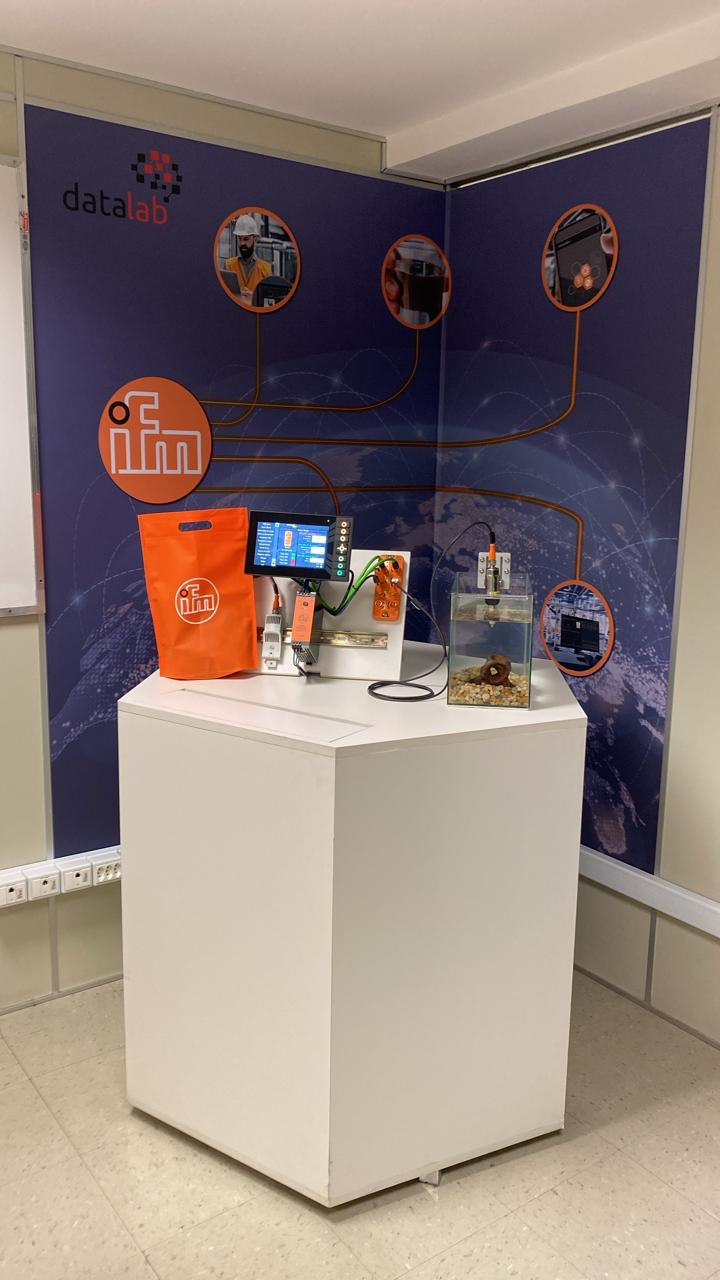
O laboratório está estruturado em duas grandes linhas de pesquisa, sendo essas Ciência de Dados e Métodos Analíticos. Na primeira linha é tratada de forma mais específica aplicação de técnicas de Inteligência Artificial, Aprendizagem de Máquina, Redes Neurais Artificiais, Mineração de Dados, Deep Learning e áreas afins. Na outra linha estão as pesquisas sobre métodos analíticos que contemplam Otimização, Meta-heurísticas, modelagem de processos e afins.
A grande maioria das pesquisas envolvem problemas reais e aplicados como dados acadêmicos, mídias sociais, Internet of Things (sensores), logística e outras. Trata também de métodos analíticos aplicados a problemas combinatórios complexos cuja solução, dependendo do porte do problema, pode se dar por métodos exatos ou por métodos heurísticos.
Previously, each creature acted independently. Now, they share a :
The future of creature reactions and gaming is bright, and we can't wait to see what the next generation of updates and innovations brings.
The V-152 doesn't just kill for food; it softens its targets. The enzymes left in the wound are beginning to necrotize the surrounding tissue. Scrub the wound with surgical laser and administer high-dose Dexalin. If the patient starts convulsing, sedate them—the toxin induces aggressive hallucinations before unconsciousness.
The keyword can be broken down into three distinct parts:
While Starfinder/Hephaistos provides the clearest link, other games have also recently introduced “creature inside the ship” mechanics. For example, the co‑op sailing‑horror game announced an upcoming update that will add new creature variations that can appear inside the ship . The goal is to make sea travel feel more dangerous and less like a simple transit. Although Nightmariners does not have a v152 build, the trend is clear: developers are focusing on interior ship threats.
: Resolves logic errors in the "reaction" events that could previously stall progression.
UPD units release trace amounts of species-specific pheromone analogs (e.g., calming agents for Class-3 reptiloids), altering creature reaction from “attack” to “avoidance” or “neutral exploration.”
Creatures no longer get stuck on the door frames of the main hull.
Short answer: But to understand why the v152 patch has revolutionized in-ship creature encounters, we need to break down the pre-update mess, dissect the new AI engine, and explore how these changes force you to rethink every corridor, every hatch, and every flicker of the emergency lights.
Many players used to rely on having one person stay back, operate the navigation, and close the doors. The AI improvements make this harder. While the doors still work, the increased efficiency of enemy pathfinding means that if they are already near the ship, they are much harder to lose.
With smarter AI, players are forced to adapt their strategies rather than relying on old patterns, offering a more engaging challenge, as described in 34.235.170.57.
Previously, each creature acted independently. Now, they share a :
The future of creature reactions and gaming is bright, and we can't wait to see what the next generation of updates and innovations brings.
The V-152 doesn't just kill for food; it softens its targets. The enzymes left in the wound are beginning to necrotize the surrounding tissue. Scrub the wound with surgical laser and administer high-dose Dexalin. If the patient starts convulsing, sedate them—the toxin induces aggressive hallucinations before unconsciousness.
The keyword can be broken down into three distinct parts:
While Starfinder/Hephaistos provides the clearest link, other games have also recently introduced “creature inside the ship” mechanics. For example, the co‑op sailing‑horror game announced an upcoming update that will add new creature variations that can appear inside the ship . The goal is to make sea travel feel more dangerous and less like a simple transit. Although Nightmariners does not have a v152 build, the trend is clear: developers are focusing on interior ship threats.
: Resolves logic errors in the "reaction" events that could previously stall progression.
UPD units release trace amounts of species-specific pheromone analogs (e.g., calming agents for Class-3 reptiloids), altering creature reaction from “attack” to “avoidance” or “neutral exploration.”
Creatures no longer get stuck on the door frames of the main hull.
Short answer: But to understand why the v152 patch has revolutionized in-ship creature encounters, we need to break down the pre-update mess, dissect the new AI engine, and explore how these changes force you to rethink every corridor, every hatch, and every flicker of the emergency lights.
Many players used to rely on having one person stay back, operate the navigation, and close the doors. The AI improvements make this harder. While the doors still work, the increased efficiency of enemy pathfinding means that if they are already near the ship, they are much harder to lose.
With smarter AI, players are forced to adapt their strategies rather than relying on old patterns, offering a more engaging challenge, as described in 34.235.170.57.
+55 11 98456-3218
Prof. Anderson Borba
(11) 2114-8301
FCI — solicite ramal 7372