Hot! Crack Hot Password All Plc Hmi V30 Jun 2026
Баталгаат бүтээгдэхүүн худалдан авч, урамшуулалт болон сугалаат хөтөлбөрт хамрагдаж оноо цуглуулан давхар давхар боломжуудыг ашиглах шинэ боломж.
Ecode аппликейшн суулгах


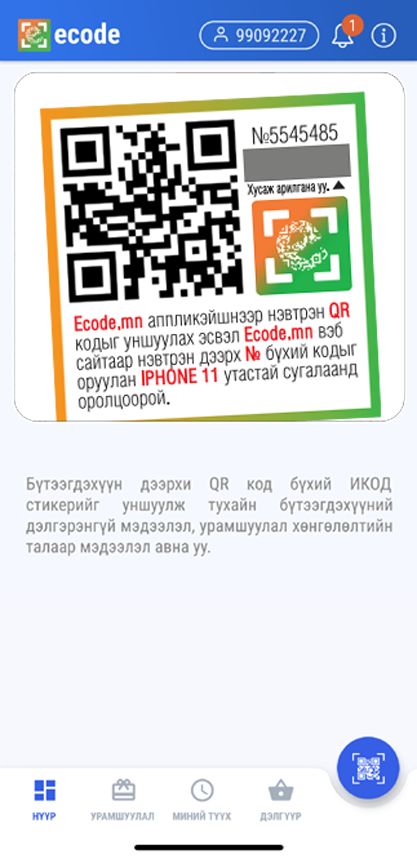



Баталгаат бүтээгдэхүүн худалдан авч, урамшуулалт болон сугалаат хөтөлбөрт хамрагдаж оноо цуглуулан давхар давхар боломжуудыг ашиглах шинэ боломж.
Ecode аппликейшн суулгах
Most PLC/HMI cracking tools utilize one of three methods to retrieve a forgotten password:
Some Original Equipment Manufacturers (OEMs) lock their code so clients must pay them for any minor changes.
Isolate the Operational Technology (OT) network from the Corporate IT network using industrial firewalls and Demilitarized Zones (DMZs). This ensures that even if a device has a weak password, it cannot be reached by external malicious actors.
Some legacy firmware versions contained vendor debugging passwords embedded directly into the system code. These "master passwords" cannot be changed by the end-user but are easily extracted via reverse engineering. How "Hot" Password Cracking Works on Industrial Hardware
Using known manufacturer service passwords or firmware vulnerabilities.
Because of this diversity, a single software utility cannot universally "crack" all PLC and HMI passwords across different brands. Software packages labeled as universal cracks or "v30" tools often rely on outdated vulnerabilities found in legacy hardware from decades ago. Modern automation firmware patches these loopholes, rendering generic cracking tools ineffective on contemporary systems. Risks of Using Unverified Cracking Tools
Turn off legacy web servers, FTP services, and unencrypted telnet access on the PLC/HMI hardware.
Most PLCs offer a physical hardware dip-switch or sequence to wipe the memory back to factory defaults. While this deletes the existing program, it safely restores access to the unit. Backup Audits:
The warehouse smelled of ozone and stale coffee. Elias sat hunched over a rugged laptop, its screen glowing against the dim light of the factory floor. Before him sat the "Patient"—a high-end PLC (Programmable Logic Controller) connected to a V30 HMI (Human-Machine Interface) touchscreen.

Худалдан авсан бүтээгдэхүүнээ жинхэнэ эсэхийг шалгах боломж

Төрөл бүрийн урамшуулал, бэлэг, хөнгөлөлтийн эрх зэрэг боломжууд Most PLC/HMI cracking tools utilize one of three

Сугалаат хөтөлбөдүүдэд зэрэг зэрэг хамрагдаж азтан болоорой Because of this diversity, a single software utility

Худалдан авах гэж буй бүтээгдэхүүний мэдээллийг кодоо уншуулаад шууд авна

Ухаалаг хэрэглэгчийн ухаалаг хэрэгсэл ИКОД систем
Most PLC/HMI cracking tools utilize one of three methods to retrieve a forgotten password:
Some Original Equipment Manufacturers (OEMs) lock their code so clients must pay them for any minor changes.
Isolate the Operational Technology (OT) network from the Corporate IT network using industrial firewalls and Demilitarized Zones (DMZs). This ensures that even if a device has a weak password, it cannot be reached by external malicious actors.
Some legacy firmware versions contained vendor debugging passwords embedded directly into the system code. These "master passwords" cannot be changed by the end-user but are easily extracted via reverse engineering. How "Hot" Password Cracking Works on Industrial Hardware
Using known manufacturer service passwords or firmware vulnerabilities.
Because of this diversity, a single software utility cannot universally "crack" all PLC and HMI passwords across different brands. Software packages labeled as universal cracks or "v30" tools often rely on outdated vulnerabilities found in legacy hardware from decades ago. Modern automation firmware patches these loopholes, rendering generic cracking tools ineffective on contemporary systems. Risks of Using Unverified Cracking Tools
Turn off legacy web servers, FTP services, and unencrypted telnet access on the PLC/HMI hardware.
Most PLCs offer a physical hardware dip-switch or sequence to wipe the memory back to factory defaults. While this deletes the existing program, it safely restores access to the unit. Backup Audits:
The warehouse smelled of ozone and stale coffee. Elias sat hunched over a rugged laptop, its screen glowing against the dim light of the factory floor. Before him sat the "Patient"—a high-end PLC (Programmable Logic Controller) connected to a V30 HMI (Human-Machine Interface) touchscreen.
Та ECODE аппликейшиныг өөрийн ухаалаг төхөөрөмжинд үнэ төлбөргүй суулгаарай.

-1c6521092255ec036985980094fb56b8.png)