The franchise's journey into print began with creator Matt Groening's desire to "revitalize" the comic book industry, which he felt was dominated by "grim science-fiction and superhero stuff".
This paper explores the dynamics of humor and maturity in animated television, focusing on the iconic series "The Simpsons" and its approach to depicting mature themes, particularly in relation to female characters. By analyzing specific episodes and narrative strategies, this study aims to understand how "The Simpsons" navigates the complexities of maturity and gender in its comedic storytelling.
: Just as the show satirizes TV, the comics frequently parody comic book tropes, such as "Silver Age" superhero cliches or Carl Barks' Uncle Scrooge adventures. Character Depth The franchise's journey into print began with creator
The comics proved that animated IP could survive the transition to static print without losing its voice. They offered "deleted scenes" in paper form, filling the gap between seasons and keeping the fandom alive during summer breaks.
For over three decades, The Simpsons has been the bedrock of global television comedy. However, while millions watched the animated series on screen, a parallel universe was unfolding on newsstands and in comic shops. The keyword represents a massive, multi-decade publishing ecosystem that expanded the boundaries of Springfield. : Just as the show satirizes TV, the
Television production is bound by rigid structural constraints, including budgetary limits on animation frames, voice actor availability, and network censorship. The comic book medium liberated Springfield from these boundaries. Unrestricted Visual Scale
Bongo did not stop at one title. They expanded into Simpsons Comics , Bart Simpson Comics , Radioactive Man , Itchy & Scratchy Comics , and Krusty Comics [1]. For over three decades, The Simpsons has been
The Simpsons is a global cultural phenomenon. For over three decades, the animated sitcom has dominated television screens. However, its impact stretches far beyond the TV set. One of the most influential yet under-examined pillars of this franchise is —the extensive comic book universe that expanded Springfield into a multimedia powerhouse.
Before binge-watching, there was binge-reading. Bongo Comics Group, founded by Matt Groening in 1993, brought Springfield to the spinner racks. For many fans, the experience was their first deep dive into the show’s universe.
The franchise is also leaning into short-form content. Disney+ has released a series of shorts ( Plusaversary , Welcome to the Club , The Good, the Bart, and the Loki ) that blend Simpsons characters with Marvel and Star Wars . These are pure, uncut comic energy—fast, jokes per minute through the roof, and visually stunning.
[Simpsons Comic Evolution] 1993: Bongo Comics Founded ──> Launched Simpson Comics #1 1994: Treehouse of Horror (Print Debut) ──> Extended Halloween universe 2000s: Global Syndication ──> "Los Simpson" translations peak 2018: Final Issue (#245) ──> Legacy shifts to digital/graphic novels
 Akira Jimbo
 Akira Onozuka
 CASIOPEA
 DEZOLVE
 DIMENSION
 Hiroshi Kubota
 Hirotaka Izumi
 Hiroyuki Noritake
 Issei Noro
 JIMSAKU
 Jun Kajiwara
 Kaori Kobayashi
 Kazuki Katsuta
 Keiji Matsumoto
 Masahiro Andoh
 Masato Honda
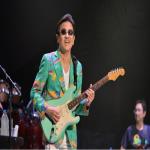 Masayoshi Takanaka
 Mitsuru Sutoh
 Naoya Matsuoka
 PYRAMID
 Satoshi Bandoh
 Senri Kawaguchi
 Takahiro Miyazaki
 Takashi Masuzaki
 Takeshi Itoh
 Tetsuo Sakurai
 Tomohito Aoki
 Toshiki Kadomatsu
 TRIX
TRIX T-SQUARE
 Various Artists
 Yoshihiro Naruse
 Yoshitaka Mihara
 Yuji Toriyama
 Yuya Komoguchi