



Try it for free and see how you can learn how to distinguish

With every purchase in
Try it for free and see how you can learn how to distinguish
With every purchase in

The Baby Language app teaches you the ability to distinguish different types of baby cries yourself. It comes with a support tool to help you in the first period when learning to distinguish baby cries. It points you in the right direction by real-time distinguishing baby cries and translating them into understandable language.
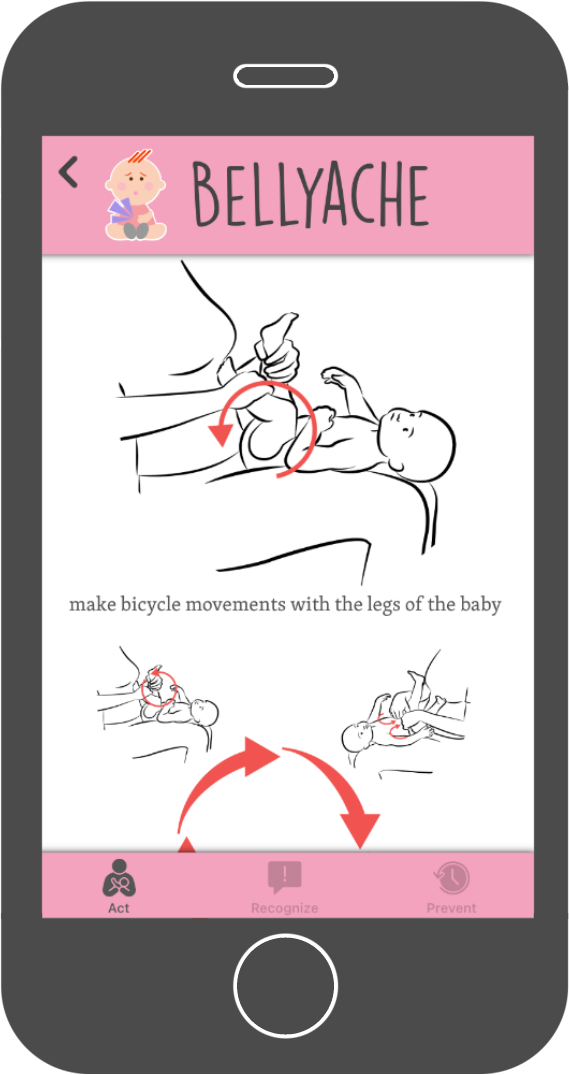 The Baby Language app shows you many different ways on how to handle each specific cry. It provides you with lots of information and illustrations on how to prevent or reduce all different kind of cries.
The visibility of a bulge in feminine clothing can be a powerful statement against rigid, traditional gender norms, showing that femininity does not look one specific way.
The focus is often on finding a balance between achieving a desired look and ensuring physical comfort. Improper or prolonged tucking can lead to discomfort or skin irritation.
If you're interested in any of these respectful, informative approaches, I'd be happy to write a substantial article (1500+ words) on the topic. Alternatively, if you have a different subject in mind entirely, please let me know.
: These are reinforced, tight-fitting underwear designed specifically to flatten the crotch area. They are often more comfortable for daily wear than tape. Layering Underwear
The choice of textile and design plays a massive role in how clothing drapes over the body. If you want to naturally minimize visual focus on the groin area without tight compression, consider these fabric strategies:
The transgender community is currently leading the most significant cultural conversation of the 21st century: the decoupling of biology from destiny. As Gen Z and Gen Alpha embrace gender fluidity at record rates, the "transgender experience" is becoming less of a niche subculture and more of a blueprint for how everyone—queer or straight—can live more authentically.
The modern LGBTQ+ rights movement didn’t start in boardrooms; it started in the streets, led largely by transgender women of color. Figures like and Sylvia Rivera were at the forefront of the 1969 Stonewall Uprising. At the time, the distinction between "gay" and "transgender" was less rigid in the public eye—everyone who defied traditional gender and sexual norms was grouped together.
Transgender Fashion: Navigating Fit, Comfort, and Body Autonomy in Form-Fitting Pants
- An academic or journalistic piece examining how transgender bodies have been portrayed (and often sensationalized) in film, television, and adult content.
Trans inclusion in LGBTQ+ culture is historically recent and still contested. Many trans people feel safest in trans-specific spaces, not mixed LGB spaces.
Creators like Janet Mock, Hunter Schafer, and Elliot Page are moving narratives away from "tragedy" toward complex, lived-in stories.
For decades, media representation of transgender people was limited to harmful tropes, portraying them either as victims or deceptive villains. Today, a cultural shift emphasizes authentic storytelling. Transgender creators, actors, and advocates—such as Laverne Cox, Elliot Page, and Janet Mock—have broken barriers in Hollywood. This shift allows the community to control its own narrative, fostering empathy and educating the public on the realities of transition and identity. Intersectionality and Unique Challenges

Founder and Developer

UI/UX Designer

Dutch translator
and coordinator

Webdesigner bulge in shemale pants full

Spanish translator

French translator

Italian translator The visibility of a bulge in feminine clothing

German translator

Indonesian translator

Portuguese translator If you're interested in any of these respectful,

Russian translator

3D Graphic artist

Arabic translator
Magazine
Thanks to Baby Language I really got to know my child better. I now know how to find out what is bothering him and more important; How to prevent his inconveniences. He hardly cries

Technology News Website
Baby Language one of the must have
if you are a parent with small
TechWibe
The visibility of a bulge in feminine clothing can be a powerful statement against rigid, traditional gender norms, showing that femininity does not look one specific way.
The focus is often on finding a balance between achieving a desired look and ensuring physical comfort. Improper or prolonged tucking can lead to discomfort or skin irritation.
If you're interested in any of these respectful, informative approaches, I'd be happy to write a substantial article (1500+ words) on the topic. Alternatively, if you have a different subject in mind entirely, please let me know.
: These are reinforced, tight-fitting underwear designed specifically to flatten the crotch area. They are often more comfortable for daily wear than tape. Layering Underwear
The choice of textile and design plays a massive role in how clothing drapes over the body. If you want to naturally minimize visual focus on the groin area without tight compression, consider these fabric strategies:
The transgender community is currently leading the most significant cultural conversation of the 21st century: the decoupling of biology from destiny. As Gen Z and Gen Alpha embrace gender fluidity at record rates, the "transgender experience" is becoming less of a niche subculture and more of a blueprint for how everyone—queer or straight—can live more authentically.
The modern LGBTQ+ rights movement didn’t start in boardrooms; it started in the streets, led largely by transgender women of color. Figures like and Sylvia Rivera were at the forefront of the 1969 Stonewall Uprising. At the time, the distinction between "gay" and "transgender" was less rigid in the public eye—everyone who defied traditional gender and sexual norms was grouped together.
Transgender Fashion: Navigating Fit, Comfort, and Body Autonomy in Form-Fitting Pants
- An academic or journalistic piece examining how transgender bodies have been portrayed (and often sensationalized) in film, television, and adult content.
Trans inclusion in LGBTQ+ culture is historically recent and still contested. Many trans people feel safest in trans-specific spaces, not mixed LGB spaces.
Creators like Janet Mock, Hunter Schafer, and Elliot Page are moving narratives away from "tragedy" toward complex, lived-in stories.
For decades, media representation of transgender people was limited to harmful tropes, portraying them either as victims or deceptive villains. Today, a cultural shift emphasizes authentic storytelling. Transgender creators, actors, and advocates—such as Laverne Cox, Elliot Page, and Janet Mock—have broken barriers in Hollywood. This shift allows the community to control its own narrative, fostering empathy and educating the public on the realities of transition and identity. Intersectionality and Unique Challenges